Unlocking the Potential of a Watercolor Tropical Jungle Pattern for Your Next Design Project
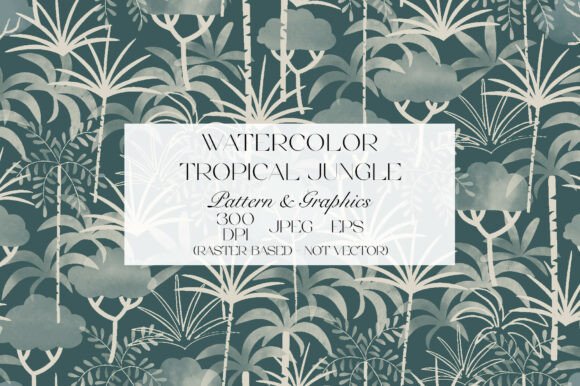
There is a distinct allure to nature-inspired designs that manage to feel both wild and serene. A watercolor tropical jungle pattern captures this duality perfectly, offering a layered botanical forest composition that brings a sense of calm sophistication to any surface. When you encounter a design featuring soft watercolor textures paired with stylized tree silhouettes, you are looking at more than just a background; you are looking at a tool for storytelling. The specific aesthetic of muted teal backgrounds combined with soft neutral foliage creates an interior-focused vibe that resonates deeply with modern consumers who crave organic beauty without visual chaos.
However, integrating such a specific artistic asset into your workflow requires more than just a keen eye for aesthetics. Whether you are a small business owner launching a new line of home decor, a freelancer designing a client's branding package, or a hobbyist creating custom stationery, understanding the technical nuances of these files is crucial. Many creators make the mistake of assuming all digital patterns function identically, leading to frustration when the final output doesn't match their expectations. By approaching your purchase and application with a clear understanding of file formats and texture limitations, you can ensure your project maintains its professional quality from concept to completion.
The Critical Distinction Between Raster Textures and Vector Shapes
One of the most common pitfalls designers face when acquiring a watercolor tropical jungle pattern is misunderstanding the file format relative to the visual style. You might see a file delivered in EPS format and immediately assume every leaf, branch, and shadow is a fully editable vector shape. This is a dangerous assumption. In high-quality artistic patterns, the EPS container often holds raster-based elements to preserve the authentic look of watercolor paint on paper.
When an artwork contains textured raster watercolor elements rather than fully editable vector shapes, it means the organic bleeding of colors and the grainy texture of the "paper" are baked into the image data. If you attempt to scale these elements infinitely or change the color of individual leaves using standard vector tools, you will likely encounter pixelation or lose the delicate textural details that give the design its character. This misunderstanding can severely affect your efficiency and the quality of your final product. For instance, if you need to print this pattern on a massive billboard, a low-resolution raster element inside an EPS file could result in a blurry, unprofessional mess.
To avoid this, always check the file specifications before purchasing. Look for notes indicating that while the file extension is EPS, the internal elements are raster-based. A better approach is to verify the resolution of the embedded images. High-quality packs usually include high-DPI previews or separate high-res JPEGs (such as 300dpi files) that allow you to inspect the clarity of the textures. If your project requires infinite scalability for large-format printing, ensure the raster components within the pattern are at a sufficiently high resolution to handle your specific dimensions without breaking down.
Matching the Mood: Contextual Application Mistakes
Another area where creators often stumble is misaligning the pattern's mood with their brand identity or project goals. The watercolor tropical jungle pattern described here features a calm and balanced jungle landscape with muted teals and neutral foliage. It is sophisticated and understated. A frequent error is trying to force this specific aesthetic into a context that demands high energy, neon vibrancy, or stark minimalism. Using a soft, organic pattern for a tech startup's aggressive marketing campaign, for example, might send mixed signals to the audience.
This mismatch affects communication and brand perception. If the visual language of your design contradicts your message, you risk confusing your audience or diluting your brand authority. Before applying this pattern, ask yourself if the "sophisticated natural aesthetic" aligns with your target demographic. This style is perfect for interior-focused design projects, wellness brands, boutique hotels, or eco-friendly product packaging. It speaks to relaxation and organic luxury. If your goal is to evoke excitement or urgency, this might not be the right tool, and forcing it could lead to a lackluster result.
A practical way to evaluate fit is to create a quick mood board. Place the pattern alongside your logo, typography, and other brand assets. Does the muted teal background harmonize with your existing color palette, or does it clash? Does the organic shape of the leaves complement your font choices? Taking this extra step prevents costly redesigns later and ensures that the pattern enhances rather than distracts from your core message.
Maximizing Value Through Versatile Usage
Once you have secured the right file and confirmed the aesthetic fit, the next challenge is utilizing the asset effectively across different mediums. Many users download a seamless pattern and simply tile it across a large background, which is a valid use case but often underutilizes the potential of the artwork. Because this design includes distinct elements like palm-like leaves, abstract trees, and organic botanical shapes, you can deconstruct the pattern for more dynamic layouts.
Consider extracting specific clusters of foliage to use as framing elements for text or as focal points on social media graphics. The layered composition allows you to create depth by placing certain elements in the foreground and others in the back, even if the original file is a flat repeat. This approach adds a custom touch to your work, making it feel less like a stock template and more like a bespoke illustration. For entrepreneurs selling physical goods, remember that the 300dpi JPEG previews included in many packs are excellent for mockups and presentation decks, allowing you to showcase the design to clients or stakeholders before committing to full-scale production.
- Check Resolution Early: Always verify the DPI of raster elements within EPS files to ensure they meet your print size requirements.
- Respect the Texture: Avoid over-editing watercolor textures, as excessive manipulation can destroy the organic feel that makes the pattern valuable.
- Test Color Harmony: Ensure the muted teal and neutral tones complement your specific brand palette before finalizing designs.
- Explore Deconstruction: Don't just tile the pattern; try isolating elements to create unique compositions for headers, borders, or focal points.
Ultimately, the value of a watercolor tropical jungle pattern lies in its ability to transport the viewer to a serene, natural space. By respecting the technical limitations of raster-based textures and thoughtfully aligning the sophisticated aesthetic with your project goals, you can elevate your designs significantly. Take the time to understand what you are buying, plan your application strategically, and let the organic beauty of the botanical forest composition do the heavy lifting in your creative narrative. With the right approach, this single asset can become a cornerstone of a cohesive and visually stunning brand identity.