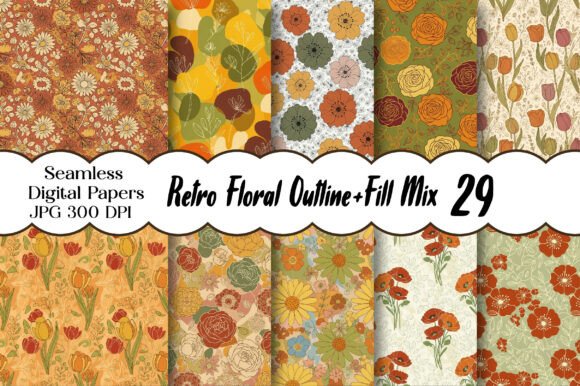
Unlocking the Potential of Retro Floral Prints Digital Papers for Modern Design
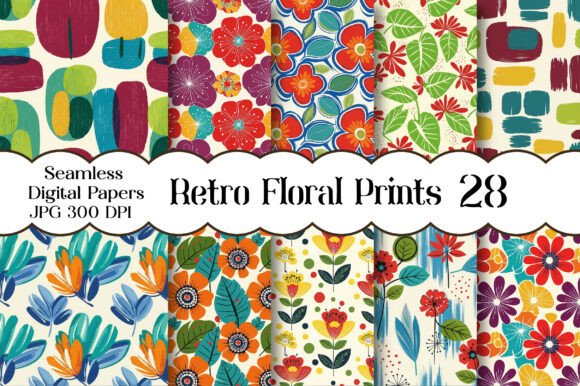
Invigorate your artistic dreamscapes with the breathtaking splendors found in high-quality digital assets. When you choose a collection influenced by timeless textile prints and sophisticated botanical illustrations, you are not just downloading images; you are accessing a toolkit that bridges the gap between nostalgic charm and contemporary functionality. The Retro Floral Prints Digital Papers pack offers vivid floral patterns and harmonious arrangements that amplify an authentic retro ambiance. However, simply possessing these files is only the first step. To truly elevate your brand identity, packaging, or personal projects, you must understand how to select, apply, and optimize these resources effectively.
Many creators, from seasoned entrepreneurs to hobbyist scrapbookers, often overlook critical details when integrating digital papers into their workflow. This can lead to frustrating results, such as pixelated prints or designs that feel disjointed rather than cohesive. By understanding common pitfalls, you can ensure that every project—from wedding stationery to sublimation tumblers—reflects the professional quality these seamless patterns are capable of delivering.
Avoiding Resolution Misconceptions
One of the most frequent errors designers make involves misunderstanding file resolution. You might see a beautiful pattern on your screen and assume it will look equally crisp when printed on a large poster or fabric. This is rarely the case if the file specifications are ignored. A common mistake is purchasing or downloading low-resolution files (often 72 DPI) intended only for web use, then attempting to use them for physical products like t-shirts or mugs.
When you work with Retro Floral Prints Digital Papers, always verify that the files are 300 DPI (dots per inch). This standard is non-negotiable for print-ready quality. If you attempt to stretch a low-resolution image to fit a larger canvas, the result will be blurry and unprofessional, damaging your brand's perceived value. Before starting any project, check the file properties. High-resolution JPG files ensure that the intricate details of vintage-inspired botanical designs remain sharp, whether you are printing a small sticker label or a large wall art piece.
The Trap of Ignoring Seamless Repeats
Another area where beginners often stumble is failing to utilize the seamless nature of the patterns. These digital papers are engineered to tile perfectly without visible edges. However, some users crop the images arbitrarily or place them as single static elements, missing the opportunity to create expansive backgrounds. This limits the versatility of the design and can make a website background or fabric print look amateurish.
To avoid this, learn how to define these images as patterns in your design software. When creating a backdrop for a planner notebook cover or a social media graphic, use the "define pattern" feature rather than simply copying and pasting the image multiple times. This ensures the repeat is mathematically perfect, maintaining the flow of the retro floral motifs. By leveraging the seamless capability, you open an endless corridor of opportunities to craft captivating masterpieces that look professionally manufactured rather than digitally assembled.
Color Management and Nostalgic Accuracy
The allure of this collection lies in its nostalgic color scheme, which amplifies an authentic retro ambiance. Yet, a significant oversight occurs when creators do not account for color profiles. Screens display colors in RGB (Red, Green, Blue), while printers use CMYK (Cyan, Magenta, Yellow, Key/Black). If you design a vibrant greeting card invitation on your monitor without adjusting for print, the final product may appear dull or shifted in hue.
Before sending your designs to a professional printer for packaging or event stationery, convert your files to the appropriate CMYK profile or consult with your print provider about their specific requirements. This step is crucial for preserving the harmonious arrangements and vivid tones that define the retro aesthetic. Additionally, when using these designs for sublimation on mugs or tumblers, remember that the heat transfer process can slightly alter color intensity. Running a test print on standard paper before committing to expensive substrates is a practical way to safeguard your satisfaction and reduce material waste.
Licensing and Commercial Usage Clarity
For small business owners and freelancers, understanding licensing terms is paramount. A dangerous assumption is that purchasing a digital pack grants unlimited rights to resell the raw files or claim the artwork as your own original illustration. Most digital paper packs, including those featuring vintage-inspired botanical designs, allow you to use the patterns in finished products (like stickers, fabrics, or invitations) but prohibit redistributing the digital files themselves.
Always read the license agreement included with your download. Using these assets correctly protects your business from legal issues and respects the original artist's work. If you plan to incorporate these patterns into a template you intend to sell, ensure the license permits "commercial use for end products." Being proactive about licensing builds a sustainable and ethical creative practice.
Practical Steps for Better Integration
To maximize the utility of your digital assets, consider the following approach before beginning your next project:
- Audit Your Files: Immediately after downloading, organize your folder. Separate files by color palette or motif density to speed up your selection process later.
- Test Prints: Print a small sample on the actual material you intend to use (e.g., cardstock for invitations, vinyl for stickers) to check color accuracy and texture interaction.
- Layering Techniques: Don't be afraid to layer these floral prints with solid colors or typography. The retro aesthetic often shines brightest when balanced with modern, clean fonts and negative space.
- Contextual Application: Match the pattern scale to the project size. Large, bold blooms work well for wall art and fabric, while smaller, denser patterns are ideal for journal covers and mobile phone wallpapers.
By paying attention to these details, you transform a simple download into a strategic design asset. Whether you are beautifying your scrapbooking pages, adding elegance to planner covers, or setting your social media graphics apart, the key lies in thoughtful application. The Retro Floral Prints Digital Papers Pack provides the foundation, but your informed decisions determine the final masterpiece. Embrace the blend of traditional floral elegance and contemporary functionality, and let your creative projects flourish with confidence and clarity.