Retro Floral Sticker Style: A Vintage Design Guide
There is a distinct comfort in the aesthetic of the past, particularly when it merges with the tactile joy of physical crafting. The Retro Floral Sticker Style captures this sentiment perfectly, offering a bridge between digital convenience and the nostalgic charm of vintage botanical sketches. This design approach is not merely about applying a filter; it is about embracing a specific visual language characterized by bold outlines, layered textures, and a playful, cut-out composition that mimics the look of hand-applied stickers from decades gone by.
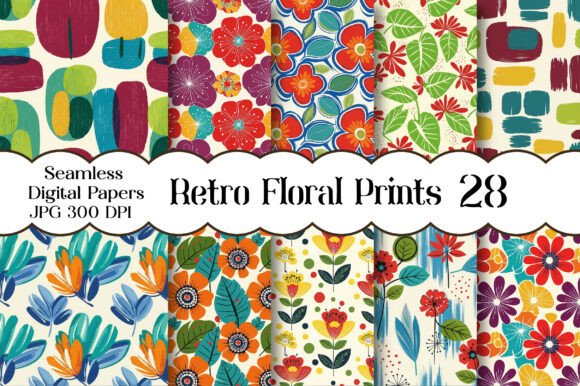
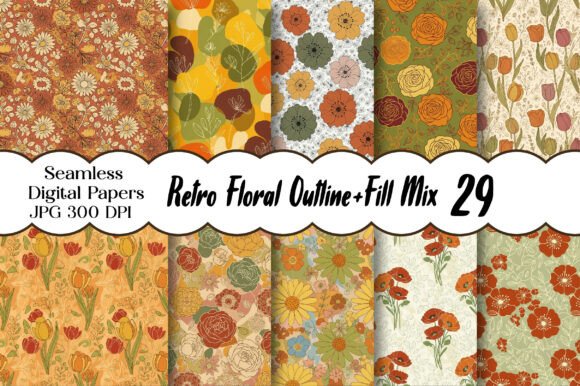
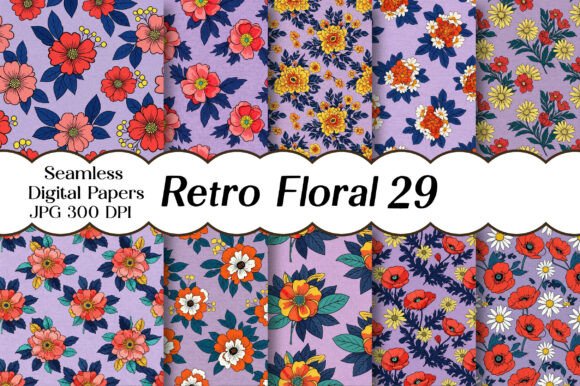
For creators working across various mediums, from scrapbooking enthusiasts to brand strategists, this style offers a unique way to inject personality into projects. It draws heavily on the nostalgia of yesteryears, utilizing a palette of vibrant, slightly muted tones that feel both familiar and fresh. When you introduce a dash of vibrant retro chic to your creative projects with a dedicated digital paper pack, you are accessing a library of assets designed to exude adventurous nostalgia without the mess of physical glue or scissors.
Defining the Aesthetic
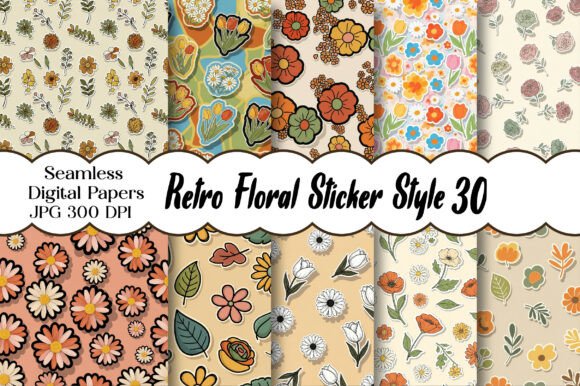
At its core, the Retro Floral Sticker Style is defined by its "cut-out" appearance. Unlike flat vector illustrations that blend seamlessly into a background, these designs possess a deliberate edge, often featuring a white border or a subtle drop shadow that suggests depth and layering. This technique mimics the experience of peeling a sticker off a sheet and placing it onto a journal or a laptop.
The floral elements themselves are rarely hyper-realistic. Instead, they lean towards stylized interpretations found in mid-century advertising, vintage seed packets, and 1970s textile patterns. You will often see:
- Bold Compositions: Flowers are arranged in clusters that feel organic yet structured, avoiding perfect symmetry in favor of dynamic balance.
- Quirky Details: Expect to find unusual color combinations, such as mustard yellows paired with teal or burnt orange alongside olive green, which give the designs their distinctive retro flair.
- Handcrafted Texture: Even in digital formats, the best packs include subtle grain or paper texture overlays to ensure the final output feels tangible and warm.
This aesthetic works because it triggers a sense of memory and warmth. It feels human-made, which is increasingly valuable in a digital landscape saturated with sterile, algorithm-generated imagery.
Practical Applications for Modern Creators
The versatility of this style allows it to transcend simple decoration. Whether you are a small business owner looking to rebrand or an educator creating engaging classroom materials, the application possibilities are vast. The key lies in understanding how the "sticker" effect interacts with different backgrounds and formats.
Branding and Packaging
For entrepreneurs, particularly those in the artisanal food, beauty, or lifestyle sectors, retro floral stickers offer an instant connection to craftsmanship. Imagine a line of organic soaps or small-batch jams. Using high-resolution JPG files with a 300 DPI print-ready quality, you can apply these designs directly to labels. The cut-out nature of the florals allows them to pop against kraft paper, glass, or matte plastic packaging.
To maintain consistency, select a limited color palette from your digital pack and stick to it across all touchpoints. If your primary flower motif uses coral and sage, ensure your typography and secondary graphics complement these hues rather than competing with them. This creates a cohesive brand identity that feels curated rather than chaotic.
Digital Planning and Scrapbooking
The rise of digital planning on tablets has created a massive demand for assets that mimic physical stationery. The Retro Floral Sticker Style is ideal for this context. Because these designs often come in seamless repeating patterns or as individual cut-out elements, they allow users to build complex layouts quickly.
Hobbyists can use these layers to create depth in their digital journals. By placing a large floral cluster in the corner and overlaying smaller buds or leaves, you simulate the look of a physical collage. The ability to download these packs instantly means you can experiment with different arrangements without committing to permanent adhesive, encouraging a spirit of innovation and risk-free creativity.
Web Design and Social Media
In the digital realm, these graphics serve as excellent accents for blog headers, Instagram stories, and website backgrounds. The seamless nature of the patterns makes them perfect for section dividers or full-page backgrounds that do not distract from the main content. When used sparingly, a single retro floral sticker can act as a bullet point or a highlight for a special announcement, adding a perky touch of yesteryears to modern interfaces.
Maximizing Quality and Workflow
To get the most out of a Retro Floral Sticker Style Digital Paper Pack, technical preparation is just as important as artistic vision. High-resolution files are non-negotiable for professional results. Ensure that any asset you use maintains its clarity when scaled. A design that looks crisp on a screen may pixelate when printed on a large poster if the source file is not at least 300 DPI.
Organization is also critical when working with extensive collections. These packs often contain dozens of variations. To keep your workflow efficient:
- Categorize by Color: Sort your files into folders based on dominant colors. This speeds up the selection process when you are matching a specific client brief or mood board.
- Test Transparency: While many sticker-style images come with transparent backgrounds, always verify the edges in your editing software. Clean edges prevent the "halo" effect that can ruin the illusion of a clean cut-out.
- Layer Strategically: Don't be afraid to mix elements. Combine a large statement flower with smaller, repetitive pattern swatches to create a rich, textured composition that feels bespoke.
Adapting to Your Audience
The beauty of retro aesthetics is their broad appeal, but adaptation is key. For a younger audience, perhaps leaning into the brighter, more saturated end of the retro spectrum creates a fun, energetic vibe suitable for event invitations or party decor. Conversely, for a more mature demographic or a luxury brand, opting for the muted, earth-toned variations of the same style conveys sophistication and timelessness.
Educators can utilize these visuals to make learning materials more inviting. A history lesson on the 1960s or a biology unit on botany becomes more engaging when illustrated with period-accurate, stylized graphics. The "sticker" aspect adds a layer of playfulness that can lower barriers to engagement for students of all ages.
Finding Your Unique Voice
While trends come and go, the desire for authentic, handcrafted-looking design remains constant. The Retro Floral Sticker Style provides a framework, but the execution is up to you. Do not simply copy-paste; instead, use these elements as building blocks. Rotate them, recolor them if your license permits, and combine them with modern typography to create a juxtaposition that feels current.
Remember that the goal is to enhance your message, not overwhelm it. Use these bold, decorative aesthetics to draw the eye to key information or to set a specific emotional tone. Whether you are designing a wedding invitation suite, a product label, or a social media campaign, let the quirks of the retro style tell a story of warmth, creativity, and attention to detail.
By leveraging immediate access to high-quality digital packs, you remove the logistical hurdles of traditional crafting while retaining the soul of the medium. This allows you to focus on what truly matters: creating work that resonates with people and stands out in a crowded marketplace. Embrace the imperfections, celebrate the bold colors, and let the spirit of vintage innovation guide your next project.