Unlocking the Charm of Seamless Vintage Decorative Flower Tiles and Pixelated Floral Patterns
In the ever-evolving world of digital design, there is a profound appreciation for aesthetics that bridge the gap between nostalgia and modern utility. Among the most captivating trends are seamless vintage decorative flower tiles, vintage style pixelated floral patterns, and symmetric folk ornaments. These elements are not merely decorative; they represent a fusion of historical artistry and contemporary technology, offering designers, educators, and creatives a versatile toolkit for visual storytelling. Whether you are crafting a website, designing packaging, or creating educational materials, understanding how to leverage these assets can elevate your work from ordinary to extraordinary.
The Essence of Vintage Aesthetics in Digital Formats
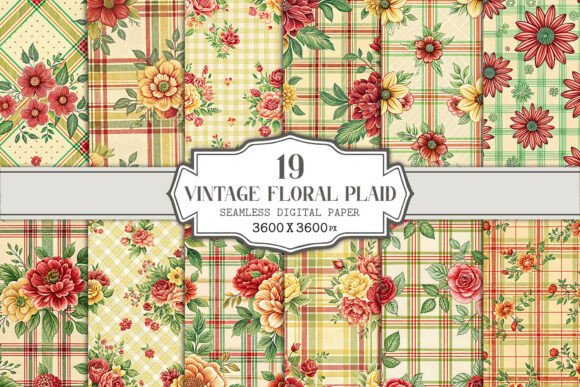
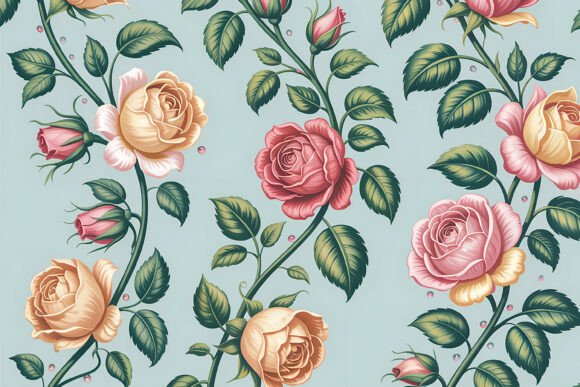
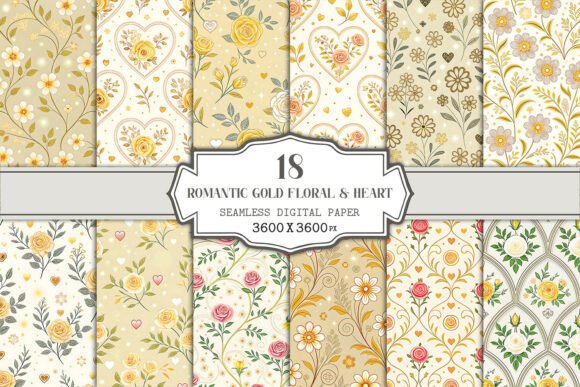
To truly appreciate these design elements, one must first understand their roots. Vintage decorative flowers draw inspiration from botanical illustrations of the 18th and 19th centuries, characterized by intricate line work, muted earth tones, and a sense of organic imperfection. When these illustrations are converted into seamless tiles, they become infinitely repeatable patterns that can cover any surface without visible breaks or seams. This functionality is crucial for web backgrounds, textile printing, and wallpaper designs.
Simultaneously, the rise of pixelated floral patterns introduces a retro-digital twist. Originating from the limitations of early computer graphics and video games, pixel art has evolved into a deliberate stylistic choice. It evokes a sense of warmth and simplicity, contrasting sharply with the hyper-realistic 3D renders common today. When combined with vintage floral motifs, pixelation creates a unique "glitch-in-time" aesthetic that appeals to both older generations familiar with early computing and younger audiences fascinated by retro culture.
Why Symmetry and Folk Ornaments Matter
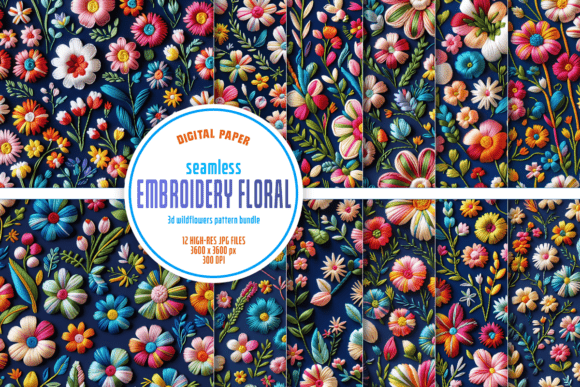
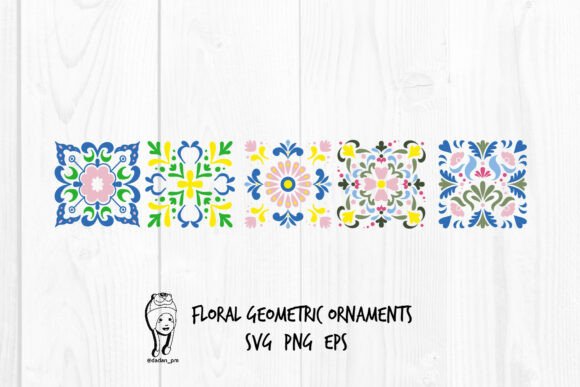
At the heart of many of these designs lies the principle of symmetry. Symmetric folk ornaments have been used across cultures for millennia, from Eastern European embroidery to Islamic geometric tiling. These patterns are psychologically soothing because the human brain naturally seeks order and balance. In a modern context, incorporating symmetric folk ornaments into digital projects provides a grounding effect, making complex interfaces or busy layouts feel more organized and approachable.
For beginners, it is important to clarify a common misunderstanding: "vintage" does not mean "outdated." Instead, it signifies a timeless quality that transcends fleeting trends. By using these elements, creators tap into a visual language that feels familiar and trustworthy, which is particularly valuable in branding and marketing where establishing an emotional connection is key.
Practical Applications in Modern Life and Business
The versatility of these graphic assets extends far beyond simple decoration. In the realm of business and branding, companies are increasingly moving away from sterile, corporate minimalism toward designs that tell a story. A coffee shop might use seamless vintage flower tiles on its packaging to convey artisanal quality and tradition. A tech startup focusing on education could utilize pixelated floral patterns to make their learning apps feel playful and accessible, reducing the intimidation factor often associated with new technology.
In education, these visuals serve as powerful engagement tools. Teachers creating digital worksheets or presentation slides can use symmetric folk ornaments to frame content, helping students focus while adding a touch of cultural richness. For instance, a history lesson on the Industrial Revolution could be enhanced with pixelated floral borders that mimic the era's emerging mechanization, providing a subtle contextual clue to the students.
Furthermore, in the creative industries, these files are indispensable for fashion designers, interior decorators, and game developers. The ability to scale these images without losing quality allows for their use in everything from a small mobile app icon to a massive building wrap. The seamless nature of the tiles ensures that whether the pattern is applied to a smartphone screen or a roll of fabric, the visual continuity remains intact.
Navigating File Formats: SVG, PNG, and EPS
When working with high-quality design assets, understanding file formats is essential. The collections you encounter will typically include SVG files, PNG files, and EPS files. Each serves a distinct purpose:
- SVG (Scalable Vector Graphics): Ideal for web design and responsive layouts. SVGs are resolution-independent, meaning they look crisp on any screen size, from a smartwatch to a 4K monitor. They are also editable in code, allowing for dynamic color changes via CSS.
- PNG (Portable Network Graphics): Perfect for raster-based projects where transparency is needed. PNGs support millions of colors and are widely compatible with image editing software like Photoshop. They are excellent for social media graphics and digital presentations.
- EPS (Encapsulated PostScript): The gold standard for print production. EPS files preserve vector data, ensuring that when you print large-format posters or merchandise, the lines remain sharp and the colors accurate. This format is essential for professional printing presses.
It is crucial to note that the preview images you see online are often low-resolution samples intended to prevent unauthorized use. The actual files you receive are of much higher quality, containing the full detail and depth necessary for professional application. To unlock this potential, you must have the correct software. Vector files (SVG, EPS) require programs like Adobe Illustrator, CorelDRAW, or free alternatives like Inkscape. Raster files (PNG) can be opened in Photoshop, GIMP, or even basic viewers, but editing them effectively requires dedicated image manipulation tools.
Bridging the Gap Between Tradition and Technology
The integration of vintage styles with modern digital workflows represents a broader cultural shift. We are living in an era where technology moves at breakneck speed, yet there is a collective yearning for the tangible and the historical. By digitizing folk ornaments and botanical illustrations, we preserve these artistic traditions and make them accessible to a global audience. This democratization of design allows anyone with an internet connection and the right software to incorporate centuries of artistic heritage into their personal or professional projects.
Moreover, this blend of old and new fosters creativity. It challenges designers to think critically about how past aesthetics can solve present-day problems. For example, how can a pixelated flower convey emotion in a user interface? How can a symmetric tile pattern guide a user's eye through a complex dashboard? These questions drive innovation and keep the design landscape vibrant and diverse.
Getting Started with Your Design Journey
If you are ready to explore these possibilities, start by identifying the mood you wish to convey. Do you need the warmth of vintage flowers, the nostalgia of pixel art, or the stability of symmetric ornaments? Once you have a direction, ensure your software environment is ready. Install a vector editor if you plan to manipulate shapes and colors, or a raster editor for texture and lighting effects.
- Download the High-Resolution Files: Always prioritize the full-quality versions over previews to ensure professional results.
- Experiment with Layering: Try combining a pixelated floral element with a smooth vector background to create depth and contrast.
- Test Across Mediums: Preview your designs on different devices and, if possible, print a sample to see how the colors translate from screen to paper.
- Respect Licensing: Ensure you understand the usage rights associated with the files, especially if you are using them for commercial purposes.
In conclusion, seamless vintage decorative flower tiles, pixelated floral patterns, and symmetric folk ornaments are more than just pretty pictures. They are powerful communicators that bridge the gap between history and the future, between art and function. By mastering these tools and understanding their context, you equip yourself with the ability to create meaningful, engaging, and visually stunning work that resonates with audiences across all demographics. Embrace the blend of the old and the new, and let these timeless patterns inspire your next creative endeavor.