Embracing Serenity: A Guide to Using Elegant Green Botanical Watercolor Flora in Your Designs
In a world often dominated by bold, high-contrast digital aesthetics and fleeting design trends, there is a profound and growing desire for visual calm. Designers, homeowners, and creative entrepreneurs are increasingly seeking elements that evoke a sense of peace, connection to nature, and timeless beauty. This is where Elegant Green Botanical Watercolor Flora steps in as a transformative resource. More than just a collection of images, this soft and elegant assembly of watercolor botanical patterns offers a solution for those looking to infuse their projects with delicate leaves, subtle floral elements, and a natural color palette.
Understanding the value of these organic compositions requires looking at the current challenges many creatives face. The primary hurdle is often "design fatigue." Audiences are bombarded with loud graphics and aggressive marketing visuals, leading to a disconnect. When a brand or a personal space feels too chaotic, it fails to provide the sanctuary people crave. Furthermore, finding assets that feel authentic rather than generic can be difficult. Many stock illustrations look overly polished or digitally rigid, lacking the soulful imperfection that makes art feel human. The goal for many is to create an atmosphere that is inviting and soothing without sacrificing professionalism or style.
Why Choose a Natural Color Palette and Organic Composition?
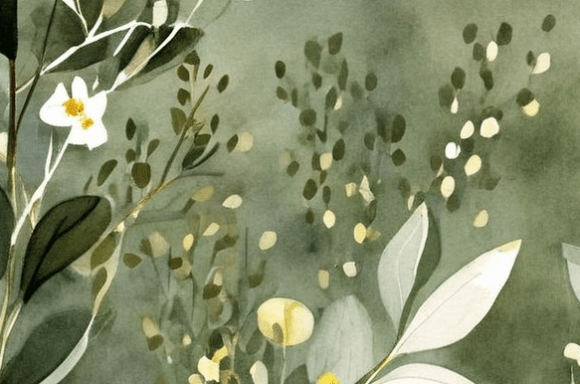
The core strength of Elegant Green Botanical Watercolor Flora lies in its ability to address these specific needs through its inherent characteristics. The use of a natural color palette—dominated by varying shades of sage, moss, olive, and soft forest greens—immediately signals tranquility to the viewer. Unlike synthetic neon greens or flat vector fills, watercolor textures mimic the way light interacts with real foliage. This organic composition creates a calm and timeless aesthetic that does not date quickly. Trends come and go, but the appreciation for nature's beauty remains constant.
By integrating these delicate leaves and subtle floral elements into your work, you are effectively lowering the visual noise. This is crucial for industries focused on wellness, sustainability, luxury hospitality, and education. When a user lands on a website or walks into a room decorated with these motifs, their nervous system responds positively to the softness. It suggests stability, growth, and harmony. For a business owner, this translates to higher engagement and a perception of trustworthiness. For a homeowner, it creates a restorative environment that counters the stress of daily life.
Practical Applications Across Different Industries
The versatility of Elegant Green Botanical Watercolor Flora allows it to be implemented across a wide spectrum of creative and decorative uses. However, the approach varies depending on the user's specific goals and the medium they are working with.
For Graphic Designers and Brand Strategists:
Designers often struggle to create brand identities that feel premium yet approachable. These watercolor assets are perfect for logo accents, packaging design, and social media templates. Imagine a skincare brand launching a new line of organic moisturizers. Using heavy, blocky fonts might feel too industrial. Instead, framing the product label with soft, bleeding watercolor leaves communicates purity and gentleness. The recommendation here is to use the flora as a framing device or a subtle background texture rather than the main focal point, allowing the typography to breathe while the botanicals set the mood.
For Interior Decorators and Homeowners:
In interior design, the challenge is often adding personality to a space without overwhelming it. Wall murals, throw pillows, and framed prints featuring these botanical patterns can serve as excellent statement pieces. Because the color palette is muted and natural, these elements pair beautifully with various interior styles, from modern farmhouse to Scandinavian minimalism. A practical tip is to layer these patterns with natural materials like linen, wood, and rattan to enhance the organic feel. The outcome is a room that feels curated and serene, acting as a personal retreat.
For Event Planners and Stationers:
Wedding invitations, menu cards, and event signage benefit immensely from the elegance of watercolor flora. Couples and hosts often want their events to feel romantic and sophisticated without being ostentatious. The delicate nature of these floral elements adds a touch of refinement. When printing, it is essential to choose high-quality, textured paper that complements the watercolor effect, ensuring the final product feels tactile and expensive. This attention to detail elevates the guest experience before the event even begins.
Tailoring the Approach to Your Specific Needs
Different users will approach Elegant Green Botanical Watercolor Flora differently based on their end goals. A digital marketer might focus on using these assets to create scroll-stopping Instagram stories that convey a lifestyle of mindfulness. In contrast, a product manufacturer might utilize the patterns for repetitive textile prints on clothing or home goods. The key to success in either scenario is consistency.
If you are building a brand, ensure that the botanical elements you choose align with your core values. If your brand is about rugged outdoor adventure, these soft, elegant patterns might need to be paired with stronger, bolder typefaces to create an interesting contrast. If your brand is about spa services, let the watercolor elements take center stage. The flexibility of the collection allows for this customization. You can isolate specific leaves to create icons or use full seamless patterns for backgrounds.
Implementation Tips for Maximum Impact
To truly harness the power of these artworks, consider the following recommendations:
- Mind the White Space: Watercolor art thrives when given room to breathe. Do not crowd the delicate leaves with too much text or other graphical elements. Allow the negative space to enhance the feeling of calm.
- Layering Techniques: In digital design, try overlaying the watercolor textures with a slight opacity over solid colors to create depth. This mimics the traditional painting technique and adds sophistication.
- Color Harmony: While the green palette is dominant, consider pairing it with earth tones like terracotta, warm beige, or soft charcoal. Avoid pairing it with harsh, primary colors which can clash with the subtlety of the watercolor.
- Resolution Matters: Whether for print or web, always ensure you are using high-resolution files. The beauty of watercolor lies in the subtle gradients and texture; low-quality images will lose these nuances and appear pixelated.
Ultimately, the adoption of Elegant Green Botanical Watercolor Flora is a strategic move toward more meaningful design. It solves the problem of visual clutter by offering a pathway to simplicity and grace. Whether you are redesigning a corporate identity, planning a dream wedding, or simply refreshing your living space, these organic compositions provide the tools necessary to create environments that nurture the spirit. By focusing on the emotional response these images evoke, you can transform ordinary projects into extraordinary experiences that resonate deeply with your audience.