Integrating the Soft Daisy Floral Seamless Pattern into Professional Creative Workflows
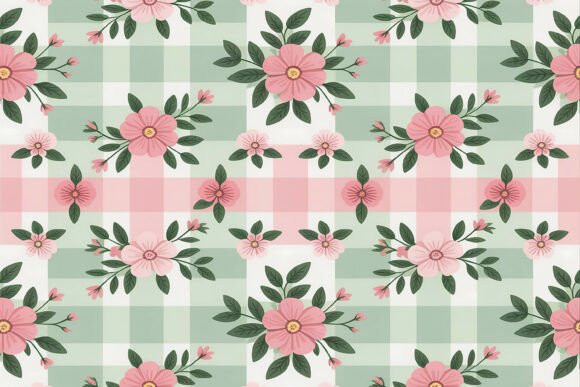
In the landscape of modern digital design and physical product creation, the choice of texture and pattern often dictates the emotional resonance of a final piece. The Soft Daisy Floral Seamless Pattern represents more than just a decorative element; it is a versatile asset designed to streamline the aesthetic phase of various projects. Characterized by delicate daisy flowers rendered in warm, light tones, this collection offers a fresh, natural aesthetic that bridges the gap between organic charm and professional polish. For creators ranging from freelance graphic designers to small business owners launching handmade goods, understanding how to integrate these patterns into an existing workflow is essential for maintaining efficiency while elevating quality.
At its core, this pattern collection serves as a foundational layer in the design process. Unlike complex illustrations that require significant manipulation before use, seamless patterns are engineered for immediate application. The "seamless" nature means the image tiles perfectly horizontally and vertically without visible breaks, allowing designers to cover surfaces of any dimension effortlessly. This technical characteristic is crucial during the execution phase of a project, where time spent fixing alignment errors can derail tight deadlines. By selecting a pre-validated seamless asset like the Soft Daisy collection, professionals can bypass the tedious task of manually creating repeats and focus instead on composition, typography, and overall brand alignment.
Strategic Placement in the Project Lifecycle
The utility of the Soft Daisy Floral Seamless Pattern extends across multiple stages of a project lifecycle, functioning differently depending on whether it is applied during planning, production, or final refinement.
During the Planning and Mood Boarding Phase:
Before a single pixel is finalized or a material is purchased, these patterns serve as excellent tools for visual communication. When pitching a concept to a client or outlining a brand direction for a new product line, incorporating soft floral textures can instantly convey a specific mood—gentle, approachable, and grounded in nature. Using these assets in early mockups helps stakeholders visualize the end result more clearly than abstract descriptions ever could. It allows teams to make faster decisions regarding color palettes and stylistic directions, ensuring that the "warm, light tones" of the daisies align with broader marketing goals before resources are committed to production.
During the Production and Execution Phase:
This is where the practical value of seamless patterns becomes most apparent. For web designers, these patterns can be implemented as subtle background textures for landing pages, blog headers, or email newsletters. Because the file structures are optimized for tiling, they load efficiently without compromising visual fidelity, contributing to better site performance—a key metric for SEO and user retention. In print workflows, such as packaging design or stationery creation, the pattern acts as a primary visual driver. Whether wrapping a product box or lining the interior of a greeting card, the consistent repeat ensures that the design looks intentional and high-quality regardless of the cut size.
Post-Project and Brand Consistency:
Long-term brand building relies on consistency. Once a specific pattern from the Soft Daisy collection is adopted as part of a brand's visual identity, it should be archived and organized within the company's digital asset management (DAM) system. This ensures that future campaigns, social media graphics, or merchandise launches maintain a cohesive look. Reusing established textures reduces the cognitive load on the audience, reinforcing brand recognition over time. Furthermore, having a library of harmonious color variations allows marketers to adapt the visual theme seasonally without losing the core identity.
Compatibility and Technical Integration
Successful implementation requires more than just aesthetic appreciation; it demands technical compatibility with the tools and platforms already in use. The Soft Daisy Floral Seamless Pattern is designed to interact smoothly with industry-standard software. In raster-based environments like Adobe Photoshop or Affinity Photo, these patterns function effectively as fill layers. Users can adjust opacity, blending modes (such as Multiply or Overlay), and hue/saturation to match specific hex codes required by a brand guide. This flexibility is vital when working with diverse media, from dark-mode website interfaces to bright, glossy print materials.
For vector-based workflows in Adobe Illustrator or CorelDRAW, seamless patterns can often be converted or used as swatches. This allows for infinite scaling without loss of resolution, a critical factor when designing large-format outputs like trade show banners or vehicle wraps. The gentle textures inherent in the daisy designs translate well even when scaled down for mobile screens or up for wall murals, provided the source files are of high resolution.
Integration also extends to e-commerce platforms and content management systems. Entrepreneurs using Shopify, WooCommerce, or Squarespace can upload these patterns as background images for specific sections of their online stores. The neutral, warm tones ensure that text remains legible and product photography stands out, avoiding the common pitfall where busy backgrounds compete with the main subject. When implementing these assets, it is advisable to test loading speeds and responsiveness across devices to ensure the texture enhances rather than hinders the user experience.
Practical Tips for Workflow Efficiency
To maximize the return on investment for these creative assets, consider the following operational strategies:
- Standardize File Organization: Upon downloading the collection, immediately rename files according to a logical convention (e.g., Daisy_Soft_Warm_Tone_01.png). Store them in a dedicated folder within your cloud storage or local server, tagged with metadata describing the colorway and intended use case. This prevents time wasted searching for the right variation during crunch time.
- Create Preset Libraries: If you frequently use these patterns in specific software, save them as custom presets or swatches. In Photoshop, define the pattern once so it appears in your pattern picker for all future projects. This eliminates repetitive importing and ensures consistent scaling factors across different documents.
- Test for Legibility: Before finalizing any design, overlay your typical typography or product imagery onto the pattern. The "delicate" nature of the daisies is an advantage here, as it usually provides enough negative space for text to breathe. However, always verify contrast ratios to meet accessibility standards, particularly for web content.
- Layering Techniques: Do not feel restricted to using the pattern as a flat background. Experiment with masking the pattern into specific shapes, using it as a clipping mask for text, or combining it with solid color blocks to create framed sections. This adds depth to the design while keeping the workflow agile.
Quality Control and Long-Term Usability
Maintaining high standards involves rigorous quality control. When applying the Soft Daisy Floral Seamless Pattern, inspect the tiled output for any unintended artifacts or color shifts, especially when converting between color spaces (RGB for digital, CMYK for print). The warm tones mentioned in the collection description must remain consistent across mediums; a shift towards cool blues in print could undermine the intended "fresh, natural" aesthetic. Proofing physical samples is non-negotiable for tangible products to ensure the texture prints crisply and the colors remain true to the digital proof.
Furthermore, consider the longevity of the design choice. While floral trends cycle, the simplicity of the daisy motif offers a timeless quality that resists rapid obsolescence. By focusing on the structural integrity of the pattern and the harmony of its palette, creators can build assets that remain relevant for years. This long-term usability supports sustainable design practices, reducing the need for constant reinvention and allowing businesses to build a stable visual legacy.
Ultimately, the value of the Soft Daisy Floral Seamless Pattern lies in its ability to facilitate a smoother creative process. It removes the friction of generating complex backgrounds from scratch, allowing professionals to dedicate their energy to strategy, storytelling, and user engagement. Whether used to soften the interface of a productivity app, wrap a boutique product, or accent a corporate presentation, this collection provides a reliable, high-quality foundation for diverse creative endeavors.