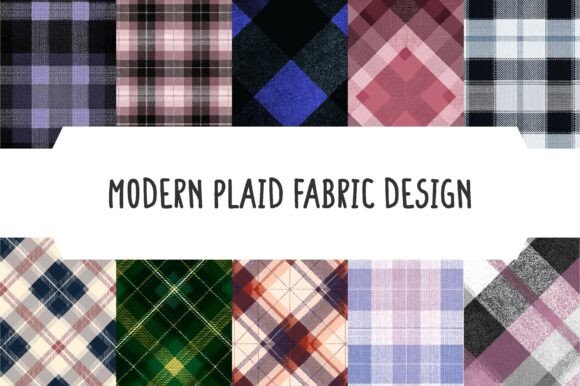
Integrating Modern Plaid Fabric Design into Professional Creative Workflows
In the landscape of contemporary visual design, patterns serve as more than mere decoration; they are structural elements that define tone, establish hierarchy, and guide user attention. Modern Plaid Fabric Design represents a specific evolution of this utility, moving away from the rustic or traditional associations of classic tartans toward a sleek, sophisticated aesthetic suitable for high-end branding and digital media. For professionals ranging from graphic designers and marketers to small business owners and educators, understanding how to integrate these assets effectively is crucial for maintaining consistency and elevating the perceived quality of a project.
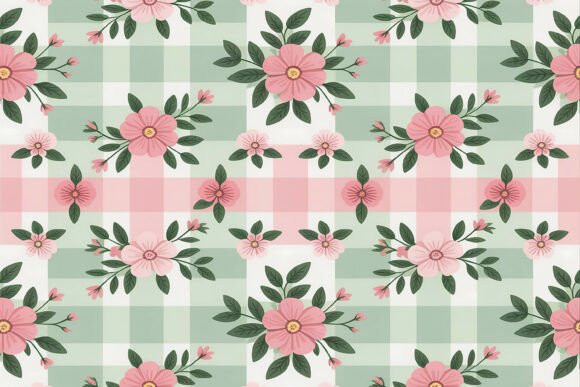
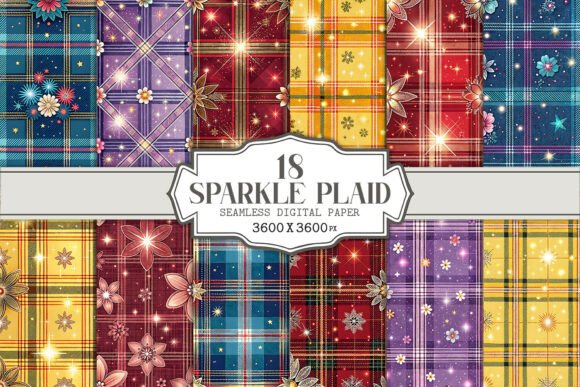
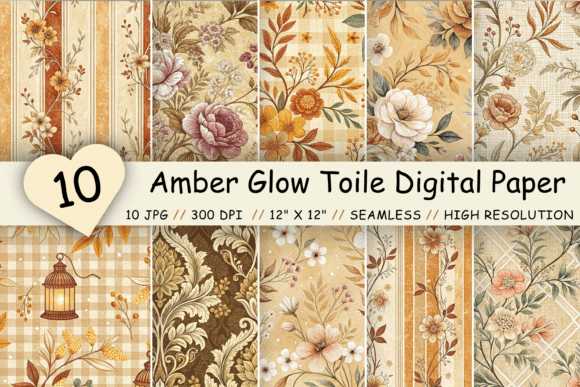
This collection of 10 high-resolution patterns offers a versatile toolkit designed to fit seamlessly into existing workflows. Whether you are preparing a stationery line, developing a textile product, or crafting digital invitations, the application of modern plaid requires a strategic approach to ensure the final output meets professional standards. The following analysis explores the practical implementation of these designs, focusing on preparation, compatibility, and execution across various mediums.
Defining the Aesthetic and Strategic Value
Modern plaid differs significantly from its historical counterparts. Where traditional plaids often rely on complex, multi-colored weaves with irregular spacing, modern plaid emphasizes clean lines, balanced color palettes, and a contemporary woven aesthetic. This distinction is vital for professionals aiming to convey elegance and structure without overwhelming the viewer. The geometric precision of these patterns allows them to function as subtle backgrounds or bold statement pieces, depending on the opacity and scale applied during the design process.
From a workflow perspective, incorporating these patterns early in the planning phase can dictate the trajectory of a project. For instance, a brand identity specialist might select a specific plaid variant to represent stability and order, using it as a foundational element before choosing typography or primary logo colors. By establishing the pattern language first, subsequent design decisions become easier to justify and execute, reducing the iteration time typically spent on finding the right "feel" for a layout.
Pre-Production: Asset Preparation and Compatibility
Successful integration begins with proper asset management. The included set provides both PNG files and EPS vector files, catering to different stages of the production pipeline. Understanding when to utilize each format is key to maintaining efficiency and quality control.
- PNG Files: These high-resolution raster images are ideal for immediate use in digital environments. They are perfect for web banners, social media graphics, and mockups where speed is essential. Because they are pre-rendered, they require no additional processing, allowing marketers and content creators to drag and drop them directly into platforms like Canva, Adobe Photoshop, or content management systems.
- EPS Vector Files: For print-heavy projects such as textiles, large-format signage, or packaging, the EPS format is indispensable. Vectors allow for infinite scaling without pixelation, ensuring that the clean lines of the modern plaid remain crisp regardless of the output size. Printers and textile manufacturers often require vector data to create screens or plates, making this format a critical component of the pre-press workflow.
Before importing these assets into your primary design software, it is advisable to organize them within a dedicated library. Tagging files by color temperature or line weight can streamline the selection process later. Furthermore, verifying color profiles (CMYK for print, RGB for digital) at this stage prevents costly corrections down the line. This preparatory step ensures that the transition from concept to execution is smooth and error-free.
Implementation Across Diverse Mediums
The versatility of Modern Plaid Fabric Design lies in its adaptability across physical and digital domains. Below are practical scenarios illustrating how these patterns interact with different project requirements.
Stationery and Corporate Identity
In the realm of corporate stationery, consistency is paramount. Using a modern plaid as a secondary brand element can add depth to business cards, letterheads, and envelopes without distracting from core information. A practical approach involves using the plaid as a watermark or a border accent. For example, a financial consultant might use a subdued, monochromatic plaid on the reverse side of a business card to suggest reliability and structure. When designing these items, ensure there is sufficient contrast between the text and the pattern. If the plaid is busy, reduce its opacity or place it behind a solid color block to maintain legibility.
Textiles and Product Design
For entrepreneurs launching clothing lines or home decor products, the transition from digital file to physical fabric requires careful attention to repeat patterns. The seamless nature of these 10 designs means they can be tiled indefinitely without visible breaks, a critical factor for textile printing. Before sending files to a manufacturer, create a physical proof or a high-fidelity digital mockup to check how the colors translate to the specific fabric material. Cotton, linen, and synthetic blends absorb ink differently, which can alter the perceived sharpness of the lines. Utilizing the vector files allows you to adjust the scale of the repeat to suit the garment size, ensuring the pattern looks proportional on a scarf versus a throw pillow.
Digital Media and Scrapbooking
Digital creators, including bloggers and scrapbookers, benefit from the high resolution of the PNG files. These assets can be layered to create complex compositions. In digital planning or journaling apps, a modern plaid background can organize content sections, acting as a visual divider between days or topics. For web designers, these patterns work well as texture overlays. Applying a low-opacity plaid over a solid background color can break up large areas of white space, adding tactile interest to a landing page while maintaining a minimalist aesthetic. The key here is moderation; the pattern should support the content, not compete with it.
Workflow Integration and Efficiency
Integrating new assets into an established routine should enhance productivity rather than disrupt it. To maximize the utility of this plaid collection, consider creating template files in your most-used software. For example, set up an Adobe Illustrator document with the EPS files already imported into a symbol library, or create a Photoshop action that automatically applies a specific blending mode to the PNG layers. This reduces repetitive tasks and ensures that every time you reach for a plaid texture, it is applied consistently.
Collaboration is another area where standardized assets prove valuable. When working with a team of designers or external freelancers, providing a unified set of approved patterns eliminates guesswork and maintains brand integrity. Clearly document usage guidelines regarding color variations and scaling limits. This documentation serves as a reference point, reducing the need for back-and-forth revisions and keeping the project timeline on track.
Quality Control and Long-Term Usability
Maintaining high standards requires ongoing quality control. As projects evolve, revisit how the Modern Plaid Fabric Design elements are performing. Are the colors remaining vibrant in printed materials? Is the pattern legible on mobile devices? Regular audits of your creative outputs can reveal areas for adjustment. Because these designs are rooted in a timeless aesthetic, they offer long-term usability, reducing the need for frequent rebranding or asset replacement. Investing in high-quality, versatile patterns now saves resources in the future, allowing you to focus on innovation rather than basic asset creation.
Furthermore, consider the psychological impact of the pattern on your audience. The structured elegance of modern plaid conveys professionalism and attention to detail. Ensure that this message aligns with your broader communication strategy. If your goal is to appear approachable and playful, you might pair the plaid with rounded typography and bright accent colors. If the goal is luxury and exclusivity, stick to muted tones and generous white space.
Conclusion
The effective use of Modern Plaid Fabric Design extends beyond simple aesthetic choices; it is a strategic decision that influences the entire lifecycle of a creative project. By leveraging the dual formats provided—high-resolution PNGs for digital agility and scalable EPS vectors for print precision—professionals can ensure their outputs are both beautiful and functional. Whether enhancing a corporate identity, launching a textile product, or refining a digital layout, these patterns offer the structured elegance needed to make projects stand out. Through careful preparation, thoughtful integration, and consistent application, creators can harness the power of modern plaid to elevate their work and achieve lasting results.