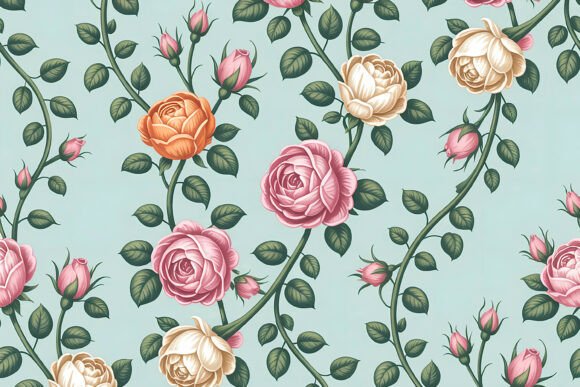
Mastering the Vertical Rose Vine Seamless Pattern for Flawless Designs
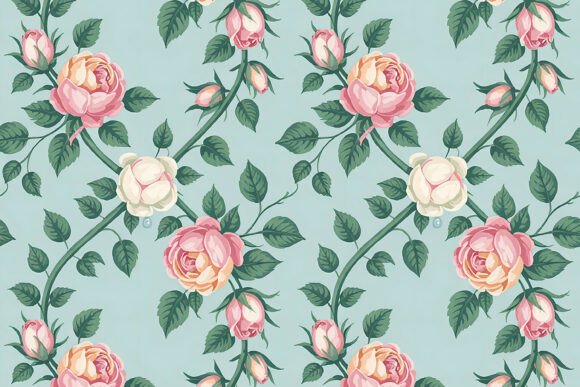
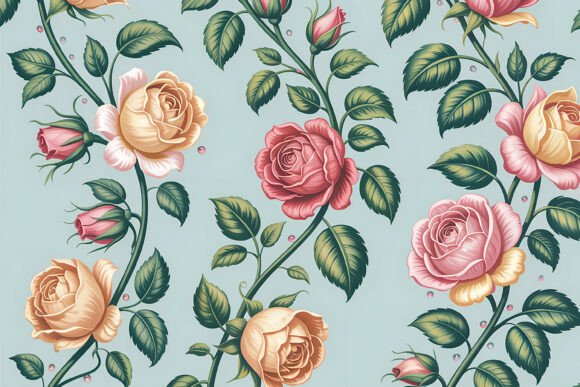
The allure of a botanical garden captured in digital form is undeniable, especially when it comes to the Vertical Rose Vine Seamless Pattern. This specific design element offers more than just a pretty picture; it provides a structural backbone for countless creative projects. Etched at an elaborate resolution of 4096x4096 pixels, this pattern captures the quintessence of climbing rose stems in a mesmerizing floral repeat. The composition features a symphony of orange and pink roses set against a soft, peachy backdrop, evoking the rustic charm of wild growth. However, possessing a high-quality asset is only half the battle. Many creators, from hobbyists to professional marketers, stumble not because the art is lacking, but because they misunderstand how to integrate such a detailed vertical motif into their workflows effectively.
When you elevate your design with this pattern, you are working with a piece that alludes to natural growth against garden fences. The winding branches are designed to climb with elegance, creating a floral stripe effect that pays salute to romantic rose climbs. Yet, a common mistake occurs when users treat this vertical pattern like a standard square tile without considering the directional flow. Because the design mimics tall floral patterns and cottage garden roses, forcing it into a layout that interrupts the upward movement of the vines can make the final result look disjointed. Instead of a continuous climb, the viewer sees broken stems and awkward jumps. To avoid this, always preview the repeat in a tall, narrow column first to ensure the "natural flower flow" remains uninterrupted before applying it to larger surfaces like wallpaper or fabric rolls.
Avoiding Resolution and Scaling Pitfalls
One of the most significant advantages of this specific illustration is its 4096x4096 pixel dimensions. This high resolution allows for crisp printing on large formats, such as full-height garden vine wallpaper or expansive textile runs. However, a frequent error among beginners and even some seasoned freelancers is improper scaling. When resizing a detailed floral vines print, there is a temptation to stretch the image to fit a specific dimension quickly. Stretching a raster image, even one this large, distorts the delicate lines of the rose stems and blurs the soft teal floral accents. This degradation ruins the vintage appeal and makes the orange rose motif look muddy rather than vibrant.
To maintain quality, always work non-destructively. If you are using the pattern for web design, ensure your CSS background-size properties are set to cover or contain appropriately without upscaling beyond the native resolution. For print applications, such as creating a rose vine textile, check the DPI (dots per inch) settings relative to your output size. A 4096px image is fantastic for high-resolution prints up to a certain physical size, but pushing it too far will reveal pixelation. A better approach is to calculate your required print dimensions beforehand. If you need a massive mural, consider if the seamless nature of the pattern allows you to tile it horizontally while maintaining the vertical integrity of the vines, rather than stretching a single instance of the file.
Color Harmony and Contextual Missteps
The color palette of this pattern is carefully curated, featuring bountiful charm with summer garden vines. The interplay between the orange and pink roses and the peachy background creates a warm, inviting atmosphere. Yet, designers often overlook how surrounding elements clash with these specific hues. A common misunderstanding is assuming that because the colors are "soft," they will match everything. In reality, placing this pattern next to cool, stark grays or neon accents can create visual dissonance that detracts from the romantic aesthetic. The soft teal accents within the leaves are meant to provide a subtle contrast, not to compete with dominant blues or greens in your overall layout.
Before committing to this pattern for a branding project or a room makeover, create a mood board. Test the peachy rose backdrop against your existing typography, furniture, or UI elements. If the goal is to highlight the charming aesthetic of flower stems, ensure that text overlays are legible. A frequent issue arises when busy floral backgrounds are used behind small text. The intricate details of the leafy rose patterns can make reading difficult. The solution is simple: use opacity masks or solid color blocks behind text areas to let the pattern shine in the negative space while keeping communication clear. This balances the decorative nature of the climbing roses with functional design requirements.
- Check the Repeat Point: Even in seamless files, verify where the cut-off point lies to ensure no half-flowers appear at the edges of your specific canvas size.
- Consider the Medium: What looks perfect on a screen may behave differently on fabric; the texture of the material can alter how the orange rose motif pops.
- Lighting Matters: If using this for interior wallpaper, remember that natural light will enhance the peachy tones, while artificial yellow lighting might saturate the oranges too much.
- Directional Consistency: Ensure that if you are tiling multiple panels, the light source implied in the painting of the roses remains consistent across the installation.
Maximizing Versatility Across Industries
This botanical vertical pattern is not limited to one niche. Entrepreneurs selling handmade goods can use it for packaging that screams "cottage core," while educators might find it perfect for classroom decorations that bring a touch of nature indoors. Marketers can leverage the emotional connection people have with gardens to evoke feelings of growth and blooming in campaign visuals. However, the mistake here is often a lack of thematic alignment. Using a rustic, wild-rose pattern for a ultra-modern, tech-focused brand might send mixed messages unless done with ironic intent. Always ask if the "vintage appeal" aligns with your brand voice.
For those in the fashion and textile industry, refining this as a rose vine textile requires attention to the grain of the fabric. Cutting patterns on the bias versus the straight grain can change how the vertical vines hang and drape. A practical tip is to order a swatch first. Seeing the soft teal floral accents and the vibrant orange rose motif on the actual material prevents costly mistakes in bulk production. Furthermore, when adapting this for digital products like website backgrounds, optimize the file size. A 4096px image is heavy; compress it wisely to ensure fast loading times without sacrificing the clarity of the detailed floral vines print.
Ultimately, the key to success with the Vertical Rose Vine Seamless Pattern lies in respecting its inherent design logic. It is a celebration of climbing roses, intended to draw the eye upward. By avoiding scaling errors, respecting color contexts, and choosing the right applications, you allow the design to do what it does best: bathe your projects in the bountiful charm of a summer garden. Whether you are a blogger looking to refresh your site header or a small business owner designing a new product line, taking the time to understand the nuances of this pattern will yield results that are both beautiful and professional. Let the graceful vines climb with elegance in your work, ensuring that every stem and petal contributes to a cohesive and stunning visual experience.