Floral Plaid Easter Spring Digital Paper Guide
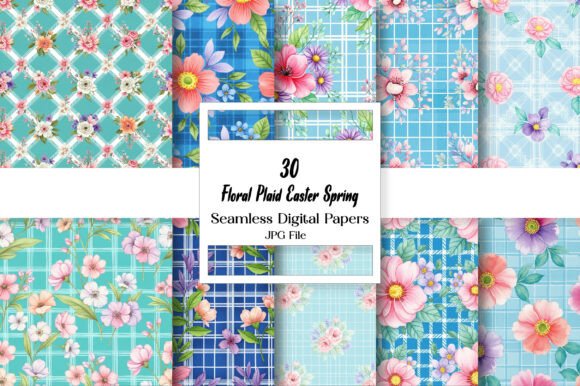
Spring is a season of renewal, and for creators, it often marks the beginning of a fresh wave of projects. Whether you are designing invitations for a family gathering, updating your small business branding, or simply organizing your personal planner, the right visual elements can make all the difference. This is where Floral Plaid Easter Spring Digital Paper comes into play. It represents a unique intersection of two beloved design trends: the timeless comfort of plaid and the delicate beauty of blooming florals. By combining these elements, this digital collection offers a versatile aesthetic that feels both cozy and celebratory, perfectly capturing the spirit of the Easter season.
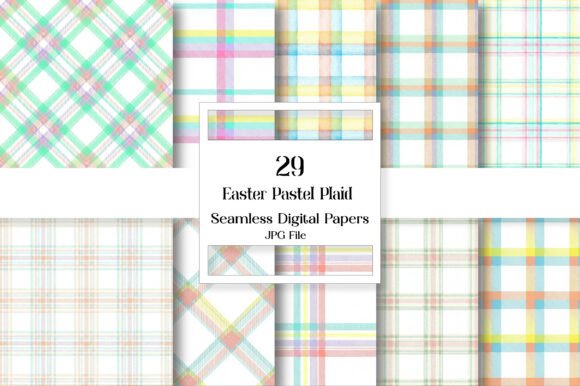
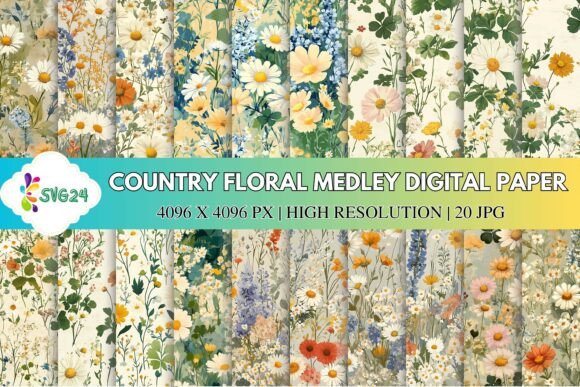
At its core, this type of digital paper is a high-resolution image file designed to be used as a background or texture in various creative works. Unlike traditional scrapbook paper that you buy in physical packs, these files are downloaded instantly and used on your computer or tablet. The specific appeal of the floral plaid variation lies in its "modern-cottage" vibe. It takes the structured, geometric lines of a classic check pattern and softens them with organic botanical accents like tiny blossoms, leaves, and vines. The result is a look that is feminine without being overly sweet, and festive without feeling chaotic.
Why This Aesthetic Works for Spring Projects
The combination of florals and plaid might seem unexpected at first, but it solves a common design problem: how to create something that feels seasonal yet sophisticated. Pure floral patterns can sometimes feel too busy or old-fashioned, while plain plaid can feel too rigid or wintery. When you blend them, you get the best of both worlds. The plaid provides a stable grid that grounds the design, while the flowers add movement and life.
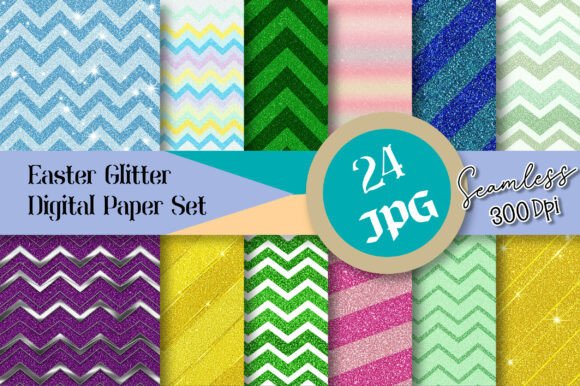
For the Floral Plaid Easter Spring Digital Paper collection, the color palette is just as important as the pattern itself. These designs typically feature gentle pastels—think soft sage greens, pale lavenders, buttery yellows, and blush pinks. These colors evoke the feeling of early spring mornings and blooming gardens. Because the tones are muted rather than neon-bright, they are incredibly easy to pair with other design elements. You can overlay text, stickers, or photos without worrying about clashing colors or readability issues.
Ideal Uses for Creators and Small Businesses
One of the greatest strengths of this digital asset is its versatility. It is not limited to just one type of project. Here is how different users can leverage these patterns effectively:
- Small Business Branding: If you run an online boutique selling handmade soaps, candles, or children's clothing, using these patterns in your social media graphics can instantly communicate a springtime sale or a new seasonal collection. They work beautifully as backgrounds for Instagram stories or Pinterest pins.
- Event Planning and Stationery: For those planning Easter brunches, baby showers, or garden parties, these papers are perfect for creating custom invitations, menu cards, and place settings. The seamless nature of the patterns means you can tile them across large formats without visible breaks.
- Digital Planning and Journaling: Users of apps like GoodNotes or Notability can import these JPGs to create custom planner covers or divider pages. The calming aesthetic helps organize thoughts while keeping the digital workspace visually appealing.
- DIY Crafts and Sublimation: Crafters who use heat presses can print these designs onto sublimation paper to transfer them onto mugs, tote bags, or t-shirts. The 300 DPI resolution ensures that even when printed on fabric or hard goods, the details of the tiny flowers remain crisp.
Technical Quality Matters
When selecting digital papers, especially for professional or commercial use, technical specifications are crucial. High-quality Floral Plaid Easter Spring Digital Paper should always come in high-resolution formats, typically JPG files at 300 DPI (dots per inch). This standard is the industry benchmark for print-ready materials. If you intend to print your designs at home or through a professional printing service, anything less than 300 DPI may result in pixelation or blurry edges, which can ruin the final product.
Another key feature to look for is "seamless" patterning. A seamless pattern is designed so that when you place multiple copies of the image side-by-side, the edges match up perfectly. This creates the illusion of an endless sheet of paper. This is essential for projects like wrapping paper, fabric design, or large wall art where you need to cover a significant area without obvious seams interrupting the flow of the plaid or the placement of the flowers.
Getting Started with Your Designs
If you are new to working with digital papers, the process is straightforward. Once you have downloaded your instant digital download package, you can open the files in almost any image editing software. Programs like Canva, Adobe Photoshop, Illustrator, or even free tools like GIMP work well.
Start by setting up your canvas size based on your project needs—for example, 8.5x11 inches for a flyer or 1080x1920 pixels for a phone wallpaper. Import the floral plaid image and set it as your background layer. From there, you can build your design on top. Because the background is patterned but not overpowering, it serves as an excellent foundation for adding text boxes, clip art, or photographs.
Consider the mood you want to convey. The modern-cottage style of these papers pairs wonderfully with handwritten fonts for a personal touch or clean serif fonts for a more elegant look. If you are designing for kids' products or nursery decor, you might choose brighter accent colors for your text to contrast with the soft pastel background. For wedding or formal event stationery, sticking to white or gold text overlays can enhance the sophisticated feel.
Things to Consider Before You Begin
While these digital papers are user-friendly, there are a few practical considerations to keep in mind to ensure the best results. First, always check the licensing terms included with your download. Most creators allow for both personal and commercial use, but some may have restrictions on the number of items you can sell or require attribution. Understanding these rules protects you and respects the artist's work.
Secondly, think about color management. Screens and printers display colors differently. The soft spring botanical elements might look slightly different on your monitor compared to the final printed piece. It is always wise to do a test print on the actual material you plan to use, whether that is cardstock, vinyl, or fabric. This helps you verify that the plaid lines are sharp and the floral colors are true to your vision.
Finally, don't be afraid to mix and match. While the Floral Plaid Easter Spring Digital Paper collection is cohesive, you can often combine these patterns with solid colors or other complementary textures. Layering a semi-transparent white box over the plaid before adding text can improve readability if the pattern feels too busy in certain areas. Experimentation is key to finding the perfect balance for your specific project.
In summary, embracing the floral plaid trend offers a delightful way to celebrate the season. It provides a ready-made aesthetic that is both trendy and timeless, saving you hours of design time while ensuring a professional finish. Whether you are a seasoned graphic designer or a hobbyist looking to add a special touch to a homemade gift, these digital resources offer endless possibilities for creativity.